
The cultural significance of casinos in modern society
The cultural significance of casinos in modern society
Casinos as Social Hubs
Casinos have evolved from mere gambling venues into vibrant social hubs that foster a unique communal atmosphere. They attract diverse groups of people, providing a space where social interactions can flourish. Friends gather to celebrate special occasions, while strangers often bond over the thrill of the game. This social aspect of casinos enhances their cultural significance, as they create environments where people from various backgrounds can come together and share experiences. For those interested in diversifying their bets, exploring football betting sites can also add an exciting layer to the social experience.
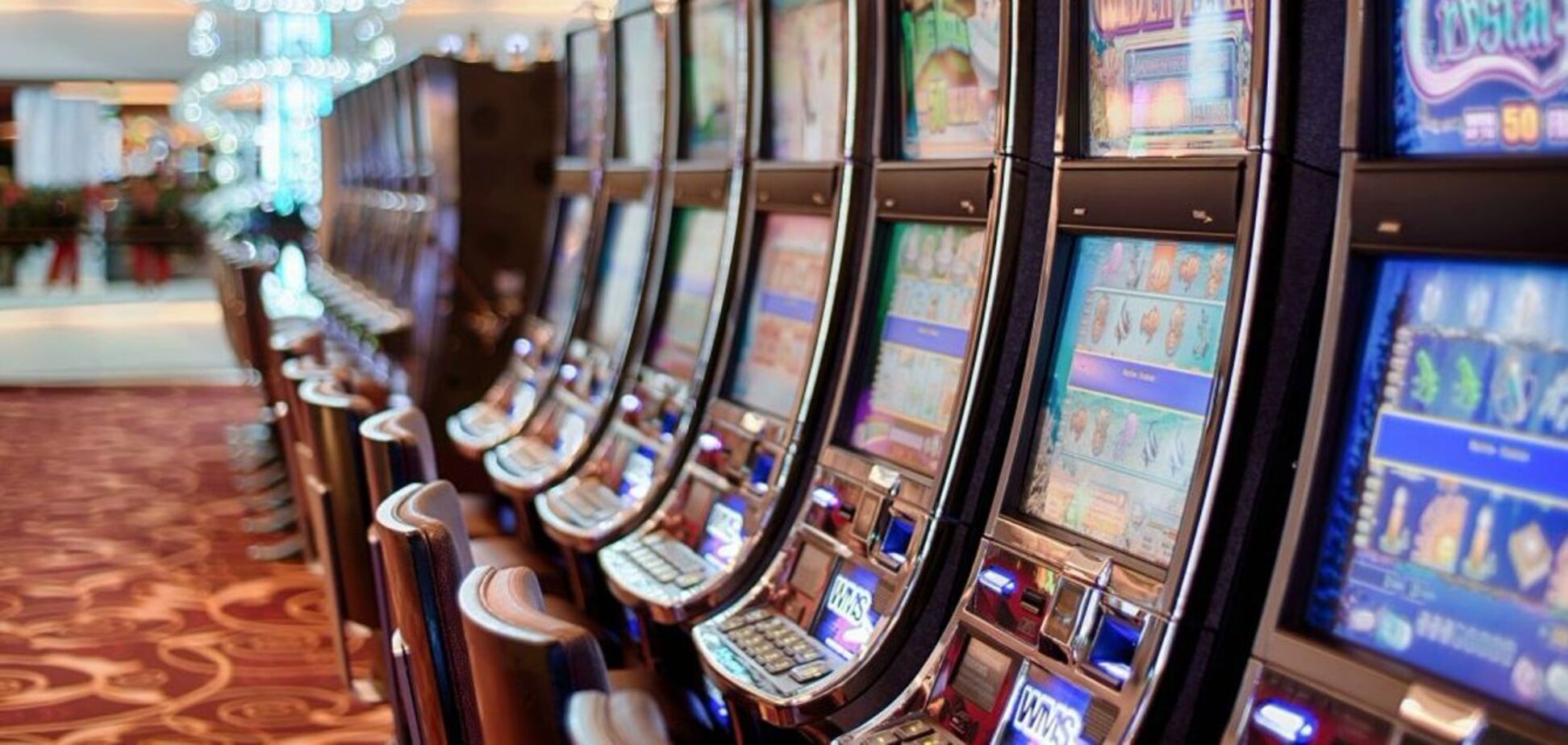
Moreover, the layout and design of casinos are deliberately crafted to promote interaction. Open spaces, bars, and restaurants encourage mingling, while game tables invite camaraderie among players. This dynamic encourages the formation of social ties that extend beyond the casino walls, highlighting their role in building communities and enhancing social capital.
The Influence on Local Economies
Casinos significantly impact local economies, serving as major sources of employment and revenue. The influx of visitors to these establishments boosts tourism, which benefits local businesses, from hotels to restaurants. This economic stimulation is vital for many regions, particularly those that rely heavily on tourism for financial support. Over time, the presence of gambling establishments can shape the local economic landscape in profound ways.
Furthermore, casinos often contribute to local infrastructure through taxes and community initiatives. This investment can lead to improvements in public services, such as transportation and healthcare, illustrating how casinos can serve as catalysts for positive change in their communities. As such, their economic significance extends beyond the immediate financial gains associated with gambling.
Cultural Representation and Entertainment
Casinos play a prominent role in popular culture, often portrayed in films, literature, and art. They are depicted as glamorous destinations filled with excitement, representing a blend of risk and reward that captures the imagination. This portrayal enhances their allure, drawing individuals who wish to experience the thrill of high stakes and the vibrant atmosphere.
The entertainment aspect of casinos has also evolved, with many offering live shows, concerts, and fine dining options. This diversification of services positions casinos as multifaceted entertainment venues, appealing to a broader audience beyond just gamblers. Consequently, they are intertwined with cultural narratives, influencing societal perceptions of luck, fortune, and indulgence.
The Ethical Debate Surrounding Gambling
The cultural significance of casinos is not without controversy. The ethical implications of gambling, including addiction and financial hardship, have sparked debates that question the societal role of these establishments. Advocates argue that responsible gambling can be a form of entertainment, while opponents highlight the potential risks associated with it.
This ethical discourse underscores the need for regulation and support systems within the gambling industry. By promoting responsible gaming practices and providing resources for those affected by gambling-related issues, casinos can address these concerns while maintaining their cultural relevance. This ongoing conversation reflects societal values and the evolution of how we perceive risk and pleasure in the context of modern entertainment.
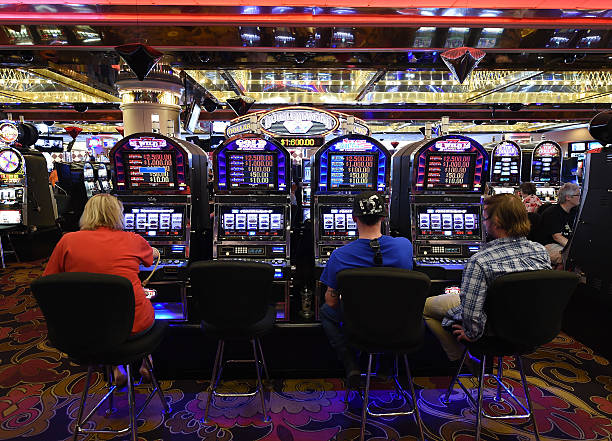
Enhancing the Online Casino Experience
As the digital age progresses, the cultural significance of casinos has expanded into the online realm. Virtual casinos offer users the chance to experience the thrill of gambling from the comfort of their homes. This transition not only caters to a growing demographic of tech-savvy players but also reshapes the traditional understanding of social interactions in gambling.
Online platforms create unique opportunities for socialization through chat functions and multiplayer games. Players can interact with one another and build connections, albeit virtually. This blend of technology and social engagement reflects the adaptability of casinos in maintaining their relevance in a rapidly changing society, ensuring they continue to serve as cultural landmarks in both physical and digital spaces.