
Unlocking Forex Trading Signals Your Guide to Successful Trading
Unlocking Forex Trading Signals: Your Guide to Successful Trading
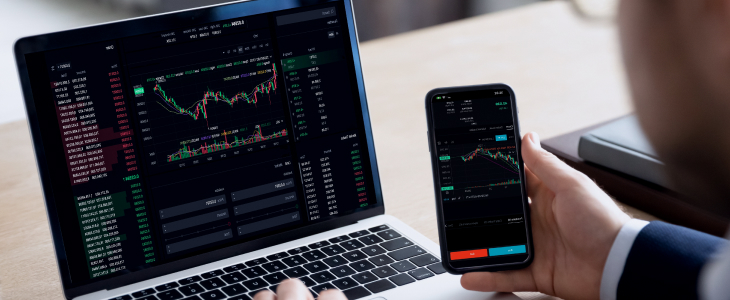
In the ever-evolving world of forex trading, the ability to make informed decisions is paramount. One of the most effective tools available to traders is forex trading signals. These signals provide valuable insights into market movements, helping traders identify potential trading opportunities. Whether you’re a beginner or a seasoned trader, understanding how to utilize trading signals effectively can significantly enhance your trading performance. In this article, we will delve deep into forex trading signals, their types, how to interpret them, and how you can integrate them into your trading strategy. Don’t forget to explore forex trading signals Best South African Brokers for competitive trading environments.
What are Forex Trading Signals?
Forex trading signals are indicators or suggestions that assist traders in making decisions about buying or selling a specific currency pair. These signals are generated through various analyses, including technical analysis, fundamental analysis, or a combination of both. Signals can be delivered in several ways, including automated trading systems, signal providers, or even community forums where traders share their insights.
Types of Forex Trading Signals
Forex trading signals can be broadly categorized into two types:
- Manual Signals: These are generated by experienced traders or analysts who analyze the market and recommend specific trades. Manual signals can be highly reliable since they are based on human judgment.
- Automated Signals: These signals are generated by algorithms and trading bots, analyzing market data to identify potential trading opportunities. Automated signals provide quick responses to market changes but can sometimes lack the nuanced understanding of human traders.
How to Interpret Forex Trading Signals
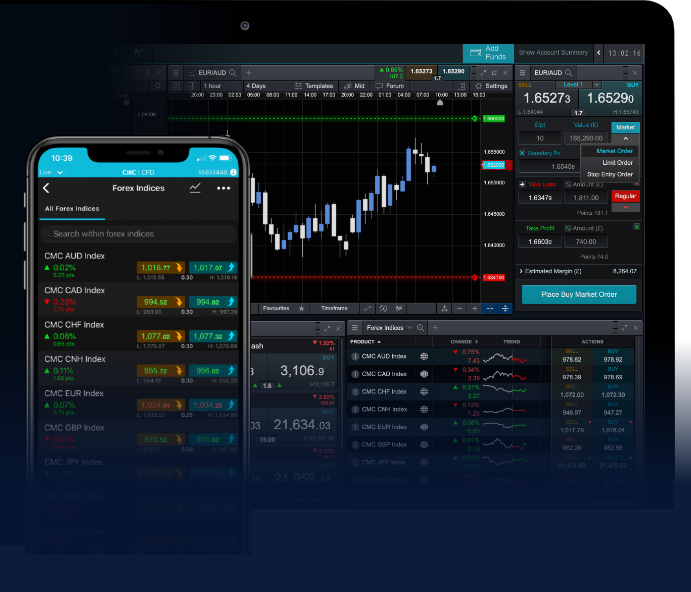
Interpreting forex trading signals requires a solid understanding of market dynamics. Here are key components typically included in trading signals:
- Currency Pair: The specific currencies involved in the trade.
- Direction: An indication of whether to buy or sell.
- Entry Point: The price level at which traders should enter the trade.
- Stop Loss: A predefined price level to limit potential losses.
- Take Profit: The target price level at which traders should exit the trade for a profit.
By carefully analyzing these components, traders can make informed decisions that align with their trading strategies and risk tolerance.
Choosing the Right Forex Trading Signal Provider
Selecting a reliable forex trading signal provider is crucial for successful trading. Here are some factors to consider:
- Reputation: Look for providers with a proven track record and positive reviews from other traders.
- Transparency: A good provider will share their trading performance and methodologies openly.
- Cost: Evaluate the pricing structure of the signals. Some providers offer free trials, while others may charge a subscription fee.
- Customer Support: Reliable customer support can make a significant difference, especially for beginners.
Integrating Forex Trading Signals into Your Strategy
Once you have access to forex trading signals, the next step is integrating them into your overall trading strategy. Here are some practical tips:
- Stay Disciplined: Follow the signals as closely as possible. Avoid making impulsive decisions based on emotions.
- Combine with Analysis: Use trading signals in conjunction with your analysis to confirm signals before executing trades.
- Manage Risk: Always use stop losses and position sizing to manage your risk effectively.
- Keep Learning: The forex market is dynamic, and continuous learning will help you adapt to changes.
The Pros and Cons of Forex Trading Signals
Like any trading tool, forex trading signals come with their own set of advantages and disadvantages:
Pros:
- Increased Efficiency: Signals save time by quickly providing trading opportunities.
- Accessibility: Both beginners and experienced traders can use signals to inform their trades.
- Variety of Perspectives: Different signal providers may analyze the market differently, providing a range of insights.
Cons:
- Reliance on Others: Over-dependence on signals can hinder a trader’s development.
- Market Volatility: Signals may not always account for sudden market changes.
- Costs: Quality signals often come with a price tag.
Conclusion
Forex trading signals can be a powerful addition to any trader’s toolbox, providing valuable insights that can lead to profitable trades. By understanding their types, how to interpret them, and how to integrate them into your trading strategies, you can enhance your trading performance. Always remember to choose reliable providers and maintain a disciplined approach to trading. With the right mindset and tools, trading can be a rewarding endeavor that leads to financial independence.
Final Thoughts
As you embark on your forex trading journey, consider incorporating trading signals into your strategy. They can provide essential guidance and keep you informed about market trends. However, always pair signals with thorough research and analysis to maximize their effectiveness. Happy trading!